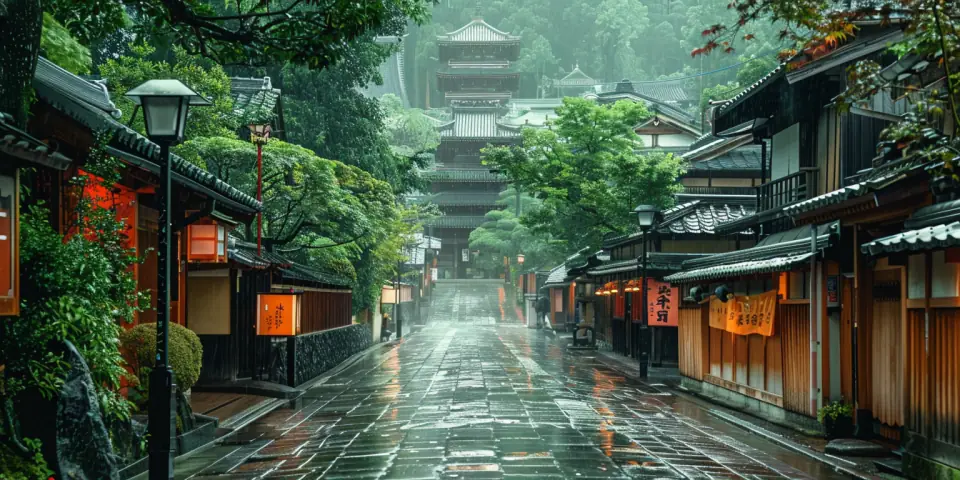
Designing a Japanese Garden: Principles and Elements for Harmony and Balance
Understanding Japanese Garden Design Principles
Creating Harmony in Your Japanese Garden
When designing a Japanese garden, it’s essential to understand the underlying principles that create harmony and balance. By incorporating these elements, you can create an oasis of tranquility that resonates with nature.
Pathways: A Journey of Self-Discovery Winding paths meander through Japanese gardens, inviting visitors to explore at their own pace while encouraging mindfulness and introspection. These pathways symbolize life’s journey, leading individuals from one point of interest to another in a seamless flow that mirrors the natural world. When designing your pathway, consider using natural materials like stone or wood, and incorporate subtle curves to create a sense of fluidity.
Architectural Elements: Adding Cultural Depth Traditional Japanese architecture often complements garden design, with structures such as tea houses, bridges, and lanterns adding cultural depth and visual interest. These elements serve both functional and symbolic purposes, enhancing the overall experience of the garden. When incorporating architectural elements, consider their purpose and how they will interact with the surrounding landscape.
Native Species: Embracing Local Conditions Japanese gardens often feature native species that thrive in local conditions. Bamboo groves, moss-covered stones, and carefully pruned trees are staples of Japanese landscaping. By using native plants, you can create a sense of harmony between the garden’s inhabitants and their surroundings. Research the native species in your area and incorporate them into your design to create a more authentic and sustainable space.
Tips for Creating Harmony
- Embrace minimalism by avoiding clutter and excessive decoration.
- Incorporate natural elements like rocks, water, and plants to create a sense of balance.
- Use subtle colors and textures to avoid visual distractions.
- Consider the symbolic meaning behind each element in your garden to create a deeper connection with nature.
By incorporating these principles and elements into your Japanese garden design, you can create a serene and contemplative space that resonates with the natural world. Remember to embrace simplicity, respect local conditions, and incorporate cultural depth to create a harmonious oasis that inspires mindfulness and introspection.
Essential Elements of a Japanese Garden
Creating harmony in a Japanese garden is an art form that requires careful consideration of various elements. By incorporating natural materials, subtle colors, and symbolic meanings, you can create a serene and contemplative space that resonates with the natural world.
When designing your Japanese garden, consider using winding pathways made from natural materials like stone or wood to invite visitors to explore at their own pace. These pathways symbolize life’s journey, leading individuals from one point of interest to another in a seamless flow that mirrors the natural world. Incorporate subtle curves to create a sense of fluidity and avoid using bright colors or excessive decorations that may distract from the natural beauty of the surroundings.
Traditional Japanese architecture can add cultural depth and visual interest to your garden design. Structures like tea houses, bridges, and lanterns serve both functional and symbolic purposes, enhancing the overall experience of the garden. When incorporating architectural elements, consider their purpose and how they will interact with the surrounding landscape. For example, a traditional Japanese tea house can create a sense of tranquility and invite visitors to slow down and appreciate the beauty of nature.
Using native species that thrive in local conditions is essential for creating harmony between the garden’s inhabitants and their surroundings. Bamboo groves, moss-covered stones, and carefully pruned trees are staples of Japanese landscaping. Research the native species in your area and incorporate them into your design to create a more authentic and sustainable space.
To ensure harmony in your Japanese garden, remember to embrace minimalism by avoiding clutter and excessive decoration. Incorporate natural elements like rocks, water, and plants to create a sense of balance. Use subtle colors and textures to avoid visual distractions, and consider the symbolic meaning behind each element in your garden to create a deeper connection with nature.
By following these principles and incorporating natural materials, subtle colors, and symbolic meanings into your Japanese garden design, you can create a serene and contemplative space that inspires mindfulness and introspection.
Creating Harmony and Balance in Your Garden
Designing a Harmonious Japanese Garden
Creating harmony in a Japanese garden is an art form that requires careful consideration of various elements. By incorporating natural materials, subtle colors, and symbolic meanings, you can create a serene and contemplative space that resonates with the natural world.
When designing your Japanese garden, consider using winding pathways made from natural materials like stone or wood to invite visitors to explore at their own pace. These pathways symbolize life’s journey, leading individuals from one point of interest to another in a seamless flow that mirrors the natural world. Incorporate subtle curves to create a sense of fluidity and avoid using bright colors or excessive decorations that may distract from the natural beauty of the surroundings.
Traditional Japanese architecture can add cultural depth and visual interest to your garden design. Structures like tea houses, bridges, and lanterns serve both functional and symbolic purposes, enhancing the overall experience of the garden. When incorporating architectural elements, consider their purpose and how they will interact with the surrounding landscape.
Using native species that thrive in local conditions is essential for creating harmony between the garden’s inhabitants and their surroundings. Research the native species in your area and incorporate them into your design to create a more authentic and sustainable space.
To ensure harmony in your Japanese garden, remember to embrace minimalism by avoiding clutter and excessive decoration. Incorporate natural elements like rocks, water, and plants to create a sense of balance. Use subtle colors and textures to avoid visual distractions, and consider the symbolic meaning behind each element in your garden to create a deeper connection with nature.
By following these principles, you can create a serene and contemplative space that inspires mindfulness and introspection. Remember to keep your design simple, yet thoughtful, and allow the natural beauty of the surroundings to shine through.

Recent Posts
- A Beginner's Guide to Collecting Goshuin Stamps in Japan Jul 21, 2024
- A Guide to Omiyage: Understanding Japanese Souvenir Culture Jul 21, 2024
- Navigating Sudden Changes in Japanese Professional Sumo Tournament Schedules Jul 21, 2024
- Discovering Zen Buddhism and Meditation in Japan Jul 21, 2024
- Mastering Japanese-Style Floor Seating in Restaurants: A Comprehensive Guide Jul 21, 2024
- Resolving Issues with Broken or Lost Traditional Japanese Footwear during Festivals Jul 21, 2024
- Exploring Japan's Public Restrooms: A Comprehensive Guide Jul 21, 2024
- Navigating Unexpected Closures: Strategies for Japanese Art Museums in the Post-Pandemic Era Jul 21, 2024
- Discovering Japan's Hidden Gem Ski Resorts Jul 21, 2024
- Bridging the Language Barrier in Japan Jul 21, 2024