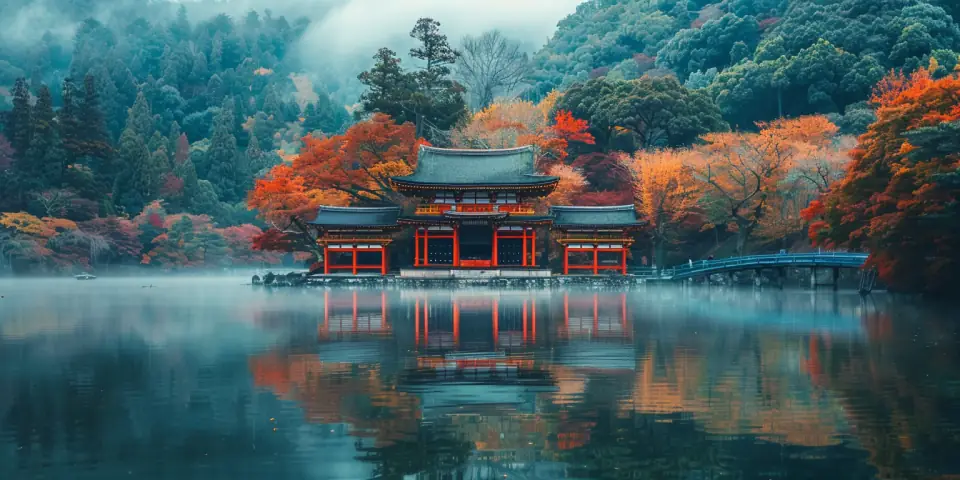
Designing a Serene and Sustainable Outdoor Space Inspired by Japanese Gardens
Understanding Your Environment
Understanding the Essence of Zen Gardening
As we delve deeper into the world of zen gardening, it’s essential to understand the underlying principles and elements that create a serene and tranquil outdoor space. A traditional Japanese garden is designed to promote relaxation, contemplation, and harmony with nature.
When selecting natural stones for your garden, choose smooth, rounded river rocks or larger boulders to represent mountains or islands in your zen landscape. Ensure that the chosen stones are native to your region to maintain authenticity. Strategically place these stones around the space to create visual impact.
Creating gravel paths is another crucial element of zen gardens. Use raked gravel to create patterns that lead through different areas of your garden, symbolizing water ripples and waves. This act of raking should be done mindfully, as it is both an art and meditation practice in itself.
To maintain the beauty and tranquility of your zen garden, regular maintenance is crucial. This includes raking gravel, pruning plants, and ensuring that stones remain in their designated spots. Embrace this routine as a form of meditation and connection with nature.
When incorporating additional elements into your zen garden, remember to use them sparingly and in harmony with the natural surroundings. Avoid over-accessorizing, as this can detract from the serene atmosphere you’re trying to create.
Lastly, don’t be afraid to experiment and personalize your zen garden to reflect your own tastes and preferences. While traditional Japanese gardens have specific design principles, modern interpretations can blend contemporary design elements with traditional concepts without compromising their essence.
By following these guidelines and embracing the underlying philosophy of zen gardening, you can create a peaceful retreat in your backyard that promotes relaxation, contemplation, and harmony with nature.
Designing for Harmony with Architecture
Designing a Serene Japandi Garden: Tips & Ideas
As we explore the world of Japandi gardening, it’s essential to understand the underlying principles and elements that create a peaceful and harmonious outdoor retreat. A Japandi garden is designed to promote relaxation, contemplation, and harmony with nature.
To achieve this serene atmosphere, consider incorporating natural materials like stone and wood in pathways and hardscaping. Zen-inspired decorative features such as rock gardens and water features can also enhance the ambiance. Plants play a central role in Japandi design, with simplicity being the focus. Cherry blossoms, black pines, bonsai/kokedama, and evergreens are popular choices.
When designing your outdoor space, remember to prioritize simplicity and minimalism. Avoid over-accessorizing, as this can detract from the tranquil atmosphere you’re trying to create. Instead, incorporate Zen elements like bamboo accents and stone sculptures with sustainable materials in furniture choices.
For small spaces, maximizing the essence of Japandi design involves using smart storage solutions, multipurpose furniture, and creating a serene atmosphere despite limited space. Consider vertical gardening or incorporating plants in decorative containers to make the most of your outdoor area.
Lastly, don’t be afraid to experiment and personalize your Japandi garden to reflect your own tastes and preferences. While traditional Japanese gardens have specific design principles, modern interpretations can blend contemporary design elements with traditional concepts without compromising their essence.
By following these guidelines and embracing the underlying philosophy of Japandi gardening, you can create a peaceful retreat in your backyard that promotes relaxation, contemplation, and harmony with nature.
Creating a Meditative Garden Space
Designing a serene Japandi garden requires careful consideration of natural materials, simplicity, and minimalism. To create a peaceful outdoor retreat, incorporate stone and wood in pathways and hardscaping, and consider Zen-inspired decorative features like rock gardens and water features. Plants play a central role in Japandi design, with simplicity being the focus. Opt for plants like cherry blossoms, black pines, bonsai/kokedama, and evergreens.
When designing your outdoor space, prioritize simplicity and minimalism. Avoid over-accessorizing, as this can detract from the tranquil atmosphere you’re trying to create. Instead, incorporate Zen elements like bamboo accents and stone sculptures with sustainable materials in furniture choices. For small spaces, maximize the essence of Japandi design by using smart storage solutions, multipurpose furniture, and creating a serene atmosphere despite limited space.
To make the most of your outdoor area, consider vertical gardening or incorporating plants in decorative containers. Don’t be afraid to experiment and personalize your Japandi garden to reflect your own tastes and preferences. While traditional Japanese gardens have specific design principles, modern interpretations can blend contemporary design elements with traditional concepts without compromising their essence.
Some practical tips to keep in mind include:
- Use natural materials like stone and wood to create a harmonious atmosphere.
- Incorporate plants that promote simplicity and minimalism.
- Avoid over-accessorizing and prioritize sustainable materials in furniture choices.
- Experiment with vertical gardening or decorative containers for small spaces.
- Personalize your Japandi garden to reflect your own tastes and preferences.
By following these guidelines and embracing the underlying philosophy of Japandi gardening, you can create a peaceful retreat in your backyard that promotes relaxation, contemplation, and harmony with nature.

Recent Posts
- Exploring Japanese Convenience Stores: A Foodie's Paradise Jul 9, 2024
- Exploring Tokyo's Hidden Gems: A Guide to Unique Cafes and Arcades Jul 9, 2024
- The Cultural Significance of Origami and Anime in Japan Jul 8, 2024
- The Impact of Computer-Mediated Communication on Interpersonal Relationships Jul 8, 2024
- The Vibrant World of Japanese Idol Group Events Jul 8, 2024
- Discovering Tokyo's Hidden Gems: A Guide to Unique Experiences Jul 8, 2024
- Exploring Japan's Cultural Treasures Jul 8, 2024
- Anime Tourism and Pilgrimage Guide Jul 8, 2024
- Exploring Japanese Fanfiction Culture through Doujinshi Markets Jul 8, 2024
- A Beginner's Guide to Cooking and Meal Planning Jul 8, 2024